
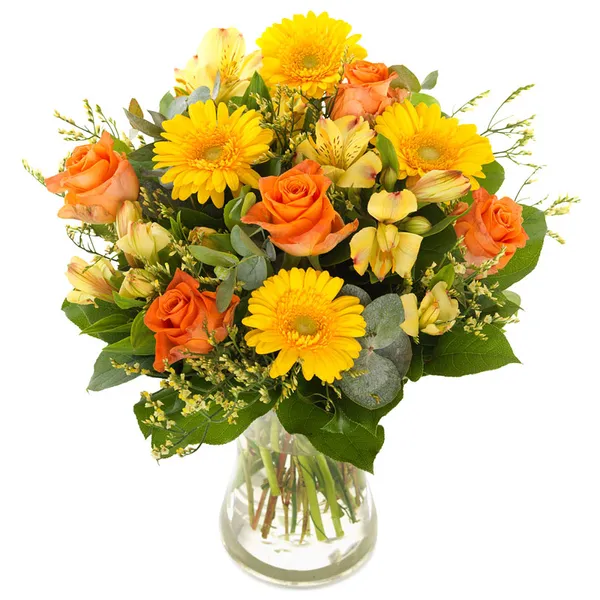
Helios Favorite
Mimosa: The Flower That Became a Symbol of Women’s Rights
Why does International Women’s Day have a flower?
Flowers have long been used to express emotions – love, gratitude, respect. Over time, they’ve also become symbols of solidarity, appreciation and social change. For International Women’s Day, one flower in particular stands out: the mimosa.
In many countries, especially Italy, the mimosa flower is closely linked to 8 March. Its bright yellow colour represents warmth, energy and optimism – qualities often associated with hope and progress.

The meaning of the mimosa flower
The mimosa became a symbol of International Women’s Day in the 1940s. It was chosen because it:
• blooms in early March
• is affordable and accessible
• symbolises strength, sensitivity and resilience
Unlike luxury flowers that were only available to a few, mimosa was easy for everyone to gift – turning it into a powerful, inclusive symbol of appreciation for women.
What other flowers symbolise women’s strength?
While mimosa is the traditional symbol, other flowers are often gifted on International Women’s Day too – each with its own meaning:
• Tulips – respect, care and new beginnings
• Roses – appreciation and admiration
• Gerberas – joy, confidence and positivity
• Lilies – dignity and strength
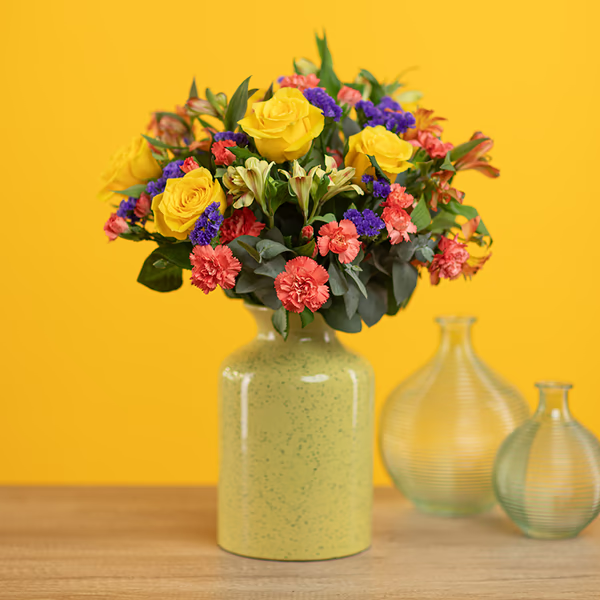
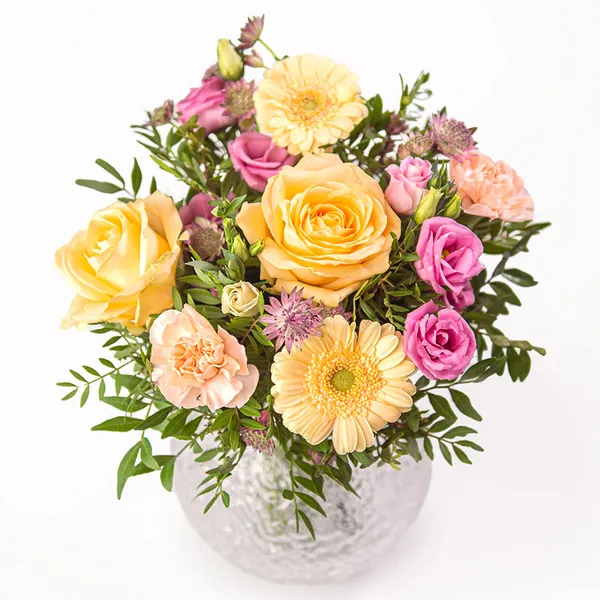
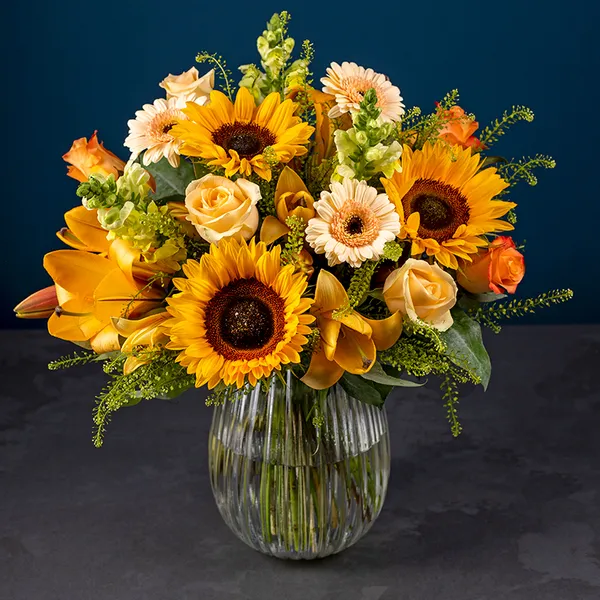
• Seasonal mixed bouquets – celebrating diversity and individuality
There is no single “right” flower for International Women’s Day – what matters is the intention behind the gesture.

Giving flowers on International Women’s Day – what really counts
International Women’s Day isn’t about romance. It’s about recognition, appreciation and solidarity. Flowers can be a simple but meaningful way to say:
• “I see you.”
• “I appreciate you.”
• “Thank you for what you do.”
Whether it’s for a colleague, your mum, your sister, a friend – or yourself – a small floral gesture can carry a big message.