
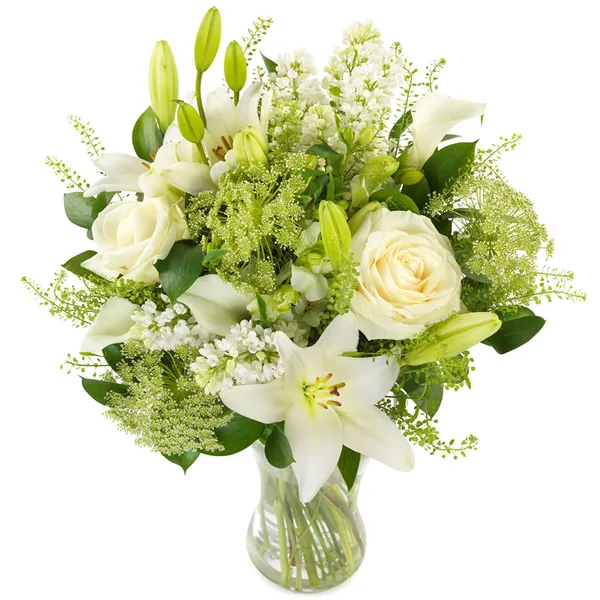
Fairy Dance
Memorial Words That Matter: Farewell Texts and Funeral Speeches Made Easier
Writing about death stumps most people. You sit with a blank card or empty page, knowing you need to say something but finding every phrase sounds wrong. The pressure to comfort others or honour someone's memory can freeze your thoughts entirely.
Join us below to find the right words or discover when flowers speak better.
Writing sympathy cards that help
Start with their name. "Dear Sarah" is a better greeting than "To the Johnson family". Use the late person's name too - families notice when people avoid mentioning David or Grandma Rose.
Your best options focus on the living:
- "David talked about you constantly at work"
- "Your mum made the best Sunday roasts"
- "Thinking of you this week especially"
Share one memory if you have one, be it that time that their dad fixed your bike, or the fantastic joke their sister always told. These details prove you truly knew the person and aren’t sticking around for no reason.
Crafting funeral speeches without clichés
Eulogies terrify people unnecessarily. You're not performing Shakespeare or delivering a TED talk. You're telling stories about someone who mattered.
Structure helps nervous speakers:
- Open with your relationship to the deceased
- Share 2-3 specific stories or qualities
- Acknowledge the family directly
- Close with what you'll remember most
Time yourself reading aloud. Three minutes feels short on paper but stretches at the podium. Five minutes maximum unless you're the sole speaker.
Include details others might not know. Maybe your colleague secretly funded school supplies for struggling families. Perhaps your aunt wrote poetry nobody read. These revelations give mourners new memories to treasure.
Text messages that don't feel hollow
Try these instead of "thinking of you":
- "I'm at the supermarket - what can I bring you?"
- "Walking your dog Thursday unless you say otherwise"
- "Dropping dinner at 6 - no need to answer the door"
Send follow-up texts without expecting responses. "Sending my strength to you" on random Tuesdays means more than lengthy messages the first week.
Workplace condolences that respect boundaries
Professional sympathy requires balance. You want to acknowledge loss without overstepping relationships or making work harder for grieving colleagues.
Email templates that work:
Subject: Thinking of you
"I heard about your father. Taking your time away is important. We're handling the Morrison project - don't worry about work."
Avoid workplace collections unless requested. One thoughtful card from the team beats twenty individual ones flooding their desk. Sign from departments rather than listing every name.
When flowers say it better
Sometimes words genuinely fail. Grammar can't fix some situations. Sympathy flowers bridge that gap, arriving when you can't, lasting when conversations end.
Roses for respect
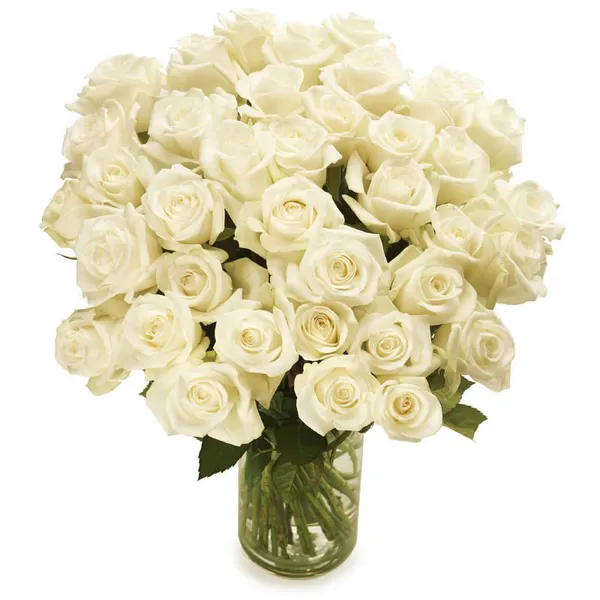
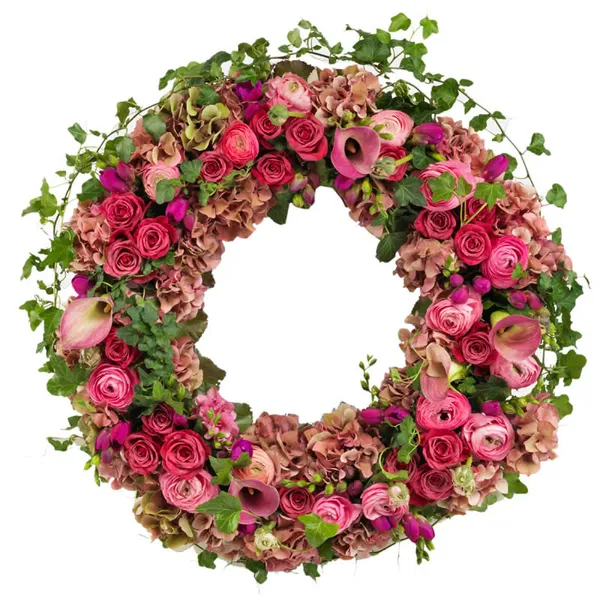
White roses suit any loss, any faith, any relationship. They say "I acknowledge this matters" without requiring explanation. Red roses work for spouses or partners. Pink handles everything else with grace.
Lilies for tradition
Funeral directors see more lilies than any other flower for good reason. They fill spaces with presence and fragrance that lingers appropriately. Oriental varieties make the strongest statement. Remove pollen to prevent staining.
Carnations for longevity
Carnations last when other flowers droop, still fresh when families face empty houses. They stretch budgets without looking cheap. White and pink combinations work universally.
Mixed arrangements for complexity
Single flower types make clear statements. Mixed bouquets acknowledge that grief contains multiple emotions. Florists who specialise in funeral arrangements know which combinations avoid accidentally cheerful results.
Digital memorials and online condolences
Social media complicates grief. Facebook memories pop up unexpectedly. Instagram feeds freeze on final posts. LinkedIn profiles list jobs no longer held.
Navigate carefully:
- Ask before posting photos from the funeral
- Never announce deaths before family does
- Avoid public grief competitions
- Keep religious views to yourself unless asked
Memorial pages need moderators. Well-meaning posts can upset families when strangers claim connections or share inappropriate memories. Designate someone tech-comfortable to manage digital spaces.

Following up when everyone else forgets
Initial support floods in, then vanishes around week three. That's when your words matter most. Simple check-ins prove more valuable than eloquent first-week speeches.
Mark these dates:
- One month after
- Their birthday
- The deceased's birthday
- Major holidays
- Anniversaries
Just one rule of thumb - don't remind your loved one about why today hurts. Be there without the bad memories.
Finding your own words
Templates help, but authentic messages resonate more. Write badly first. Edit later. Say their name. Share moments. Admit when words fail.
Death makes everyone an amateur philosopher. Resist the urge. Grieving people need practical support more than cosmic explanations. They need to know Wednesday will be survivable, not that grief transforms us.
Your discomfort with mortality isn't their burden. Write from your kindness, not from your own fears. Send the card. Give the speech. Order the same-day flowers.
Most crucially, show up however you can.
Because memorial words that matter most are often the simplest: "I remember. I'm here. You're not alone."